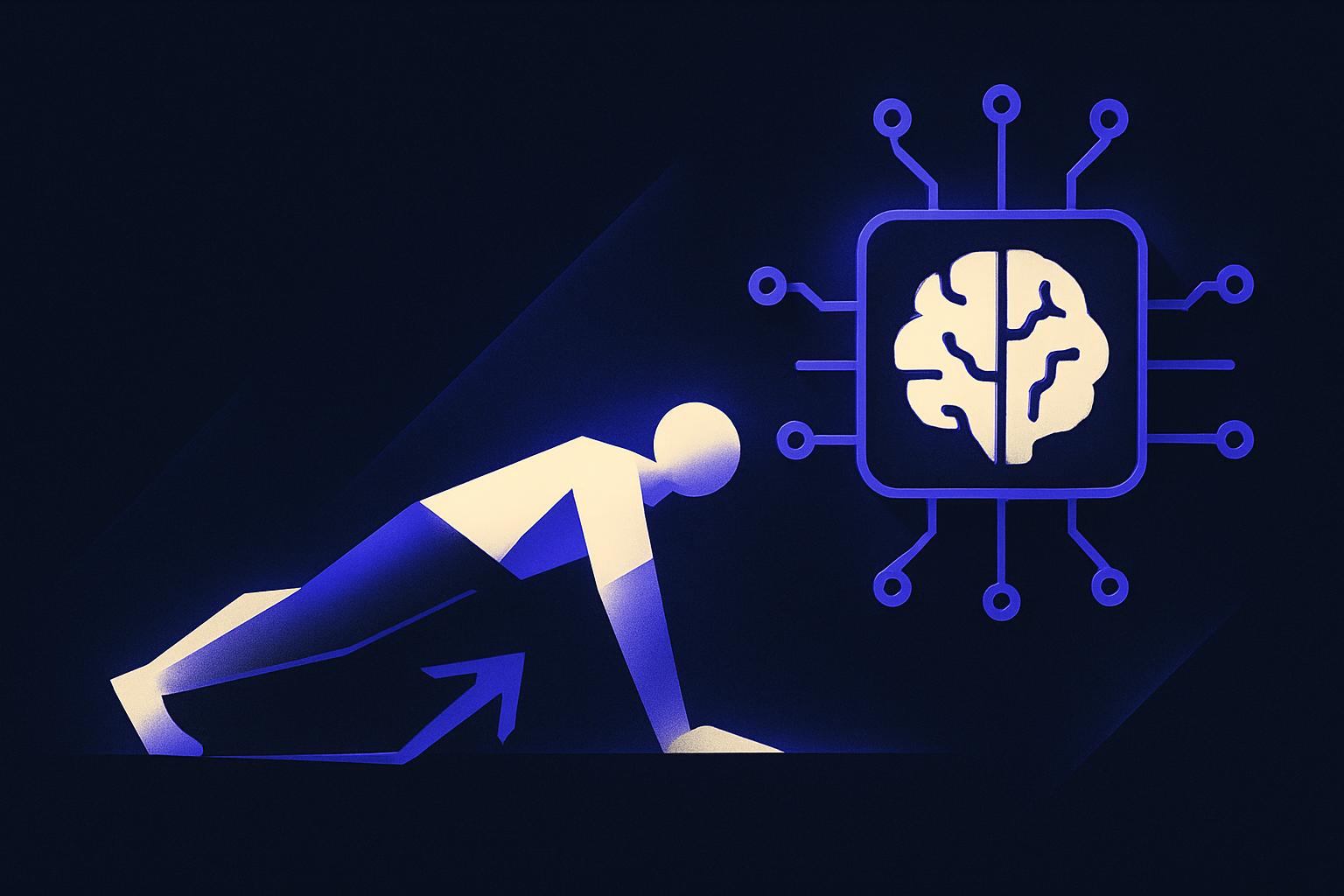
Here’s a challenge I didn’t see coming. A few years ago, I was nominated for the PTSD Push-Up Challenge. What started as a simple call to raise awareness about mental health became a profound learning experience about resilience, discipline, and the importance of community. And surprisingly, it taught me a lot about building AI products in today’s fast-paced market.
The Unexpected Lessons
When I first approached the challenge, I thought it was just about doing push-ups. But the reality hit me hard. It’s about commitment, consistency, and the support of those around you. Those same principles apply to developing AI voice agents for the real estate, mortgage, and law sectors.
1. Commitment Is Key
Sticking to the push-up challenge required discipline. I had to show up, day after day, to hit my target. The same goes for AI development. If you think you can just throw together an AI product and it will magically work, you’re in for a rude awakening. It takes:
- Continuous learning: AI technology evolves quickly. You can't afford to lag.
- Iterative testing: You need to refine your product based on user feedback constantly.
- Adaptability: If something isn’t working, you pivot fast. Just like adjusting your form during push-ups to avoid injury.
2. Community Support Matters
The challenge was a community effort. I wasn’t alone; my friends, family, and followers cheered me on. In the same vein, your AI product needs a support system. You need:
- User feedback: Regular insights from users help refine your AI’s performance.
- Stakeholder buy-in: Your team must believe in the technology and its potential.
- Partnerships: Collaborate with others in the industry to enhance your offering.
The Broader Impact
Raising awareness about PTSD through a simple challenge opened my eyes to how we can leverage technology for good. Building AI voice agents is not just about answering calls; it’s about creating solutions that empower real estate, mortgage, and law professionals to connect better with their clients. The push-up challenge reminded me of our responsibility as tech entrepreneurs:
We’re not just building products; we’re building trust, relationships, and resilience in our industries.
3. Resilience in the Face of Failure
There were days I struggled to complete my push-ups. I felt the burn, the fatigue, and I wanted to quit. Yet, pushing through that discomfort led to growth. In AI development, you will face failures. Your algorithms will misinterpret data. Your voice agents will stumble on calls. It’s crucial to:
- Learn from every failure: Analyze what went wrong and adjust accordingly.
- Stay persistent: The most groundbreaking innovations often come after multiple iterations.
- Encourage your team: Foster a culture that embraces failure as a stepping stone to success.
Real Numbers from the Field
After implementing the lessons learned from my push-up challenge into our AI voice products, we saw significant improvements:
- Customer satisfaction increased by 40% due to improved response times.
- Conversion rates on leads rose 30% with better booking processes.
- Support ticket resolution time decreased by 50% as we streamlined communication.
Final Thoughts
Every push-up I did wasn’t just a physical effort; it was a reminder of the grit required in entrepreneurship. As we build AI solutions in 2026, remember that technology is just a tool. It’s the commitment, community, and resilience behind it that drive true change. The next time you face a challenge, whether it’s push-ups or product launches, lean into those lessons. They’ll serve you well.
Want this kind of result in your business?
I help founders and businesses in regulatory and customer-facing verticals turn old-school legacy operations into proprietary AI-driven products — shipped in days, not quarters. No fluff. No glue-on integrations like most AI consultants. Pure execution, end-to-end.
Contact me →